
Pelvic Health Therapy & Education That Starts the Conversations People Need to Have
Sustainable Pelvic Floor Therapy in Kansas City
The things nobody really talks about after birth - but everybody deserves to understand.
The first bowel movement after giving birth. Bladder and bowel leaks. Pain during intimacy. Pelvic pressure. The feeling that your body doesn't quite feel like your own anymore.
These are experiences many people encounter during pregnancy and postpartum, yet they're not always prepared for them. Too often, people leave the hospital with a newborn and a stack of instructions, but unanswered questions about their own recovery.

'm Amber Schmitt, pelvic floor occupational therapist and postpartum advocate. I teach individuals, families, and professionals about pelvic health in a way that makes complex information approachable, practical, and easier to put into everyday life.
Whether I'm speaking to a room full of expectant parents, leading a workshop for postpartum families, or educating professionals who support people through pregnancy and birth, my goal is the same: to make pelvic health easier to understand and easier to talk about.
That's where education makes a difference.
The Things Nobody Tells You About Postpartum Recovery
Let's talk about the first bowel movement after birth, why toileting positions and breathing strategies matter, and how people can prepare for some of the less-discussed parts of recovery.
This isn't about adding more things to a new parent's to-do list. It's about giving people practical knowledge before they need it, helping them feel more prepared, and showing them when a symptom deserves further attention.
Bladder and Bowel Leaks: Common Doesn't Mean Inevitable
Leaking when coughing, sneezing, lifting, or exercising is something many people experience, but it's often dismissed as an unavoidable consequence of pregnancy or childbirth.
In this session, participants can learn about pelvic floor function, pressure management, and the range of options that may be available for addressing symptoms. We'll also talk about when to seek additional support and why people deserve information beyond "that's just what happens after having a baby."
Intimacy, Pain, and the Conversations We Avoid
Changes in desire, painful intimacy, and uncertainty about returning to sexual activity can be difficult to discuss — especially when people feel pressure to recover on a particular timeline.
This topic creates space for honest, compassionate education about postpartum changes, pelvic floor health, communication, and knowing when pain needs further evaluation.
Beyond the Pelvic Floor: Understanding the Whole Person
Pelvic health doesn't exist in isolation. Breathing, movement, daily activities, stress, sleep, and the demands of caregiving can all influence a person's experience of recovery.
I help audiences explore these connections while learning practical strategies, understanding the limits of general education, and recognizing when individualized care is appropriate.
What Could Your Audience Learn?
My approach is grounded in practical education, honest conversation, and the understanding that people learn best when they feel safe enough to ask questions.
I want participants to leave with more than a list of facts. I want them to feel more confident talking about pelvic health, better equipped to recognize concerns, and more prepared to advocate for themselves or the people they support.
I can tailor educational sessions to the needs of your audience, whether you're planning a community workshop, a childbirth education series, a professional development event, or a speaking engagement focused on women's and pelvic health.
Let's Bring Pelvic Health Education to Your Audience
If you're organizing an event, supporting expectant or postpartum families, or looking for an engaging speaker to help your audience better understand pelvic health, I'd love to talk about what you're planning.
Together, we can create an educational experience that meets your audience where they are and gives them information they can carry into their everyday lives.
Because people deserve to understand their bodies - and the professionals who support them deserve the tools to help make those conversations happen.
Teaching That Meets People Where They Are
I was in OT school when my sister had her first baby. During her delivery, she ended up with an emergency C-section after a long, exhausting induction. The updates were sparse, and by the time I visited her in the hospital, she was bleeding, struggling to move, and clearly in pain. I looked around and thought,
“Who is going to help her?”
That question changed everything for me. I realized how many women go home after major abdominal surgery with nothing but,
“Good luck! Here’s a baby.”
No one tells them how to move without pain, how to protect their healing body, or what recovery can actually look like.
In that moment, I decided that I never wanted another mom to feel abandoned after delivery. So, now, I help women navigate postpartum recovery with compassion, practical guidance, and the kind of support I wish my sister had.
From day one, I’m there to walk alongside them — so they can heal fully, feel strong again, and step into motherhood with confidence.
And I’d love to be alongside you with the same support and guidance I would give my own sister.
Meet Amber -
Your Pelvic Health Therapist
Serving Kansas City

Conditions we help with
sustainable pelvic floor therapy & education
Disclaimer:
At Sustainable Pelvic Health we strongly believe that you should ALWAYS be in control of your pelvic floor exam. We’ll walk you through your options, and you choose what feels best for you—no internal exam required. Read more here.
-
![]()
Pregnancy
o Round ligament pain
o Safe exercises for the different trimesters
o Breathing techniques in prep for labor
o Discussion/practice of labor positions
o Education on taking own vitals during and after pregnancy
-
![]()
Postpartum
o Early recovery and mobility
o Urinary incontinence
o Constipation
o Pelvic Pain
o Diastasis recti
-
![]()
Sexual Health
o Dyspareunia (painful sex)
o Inability to achieve orgasm or pain afterwards
o Vulvodynia
-
![]()
Pelvic Floor Disorders
o Pelvic Organ Prolapse
o Heaviness/pressure in lower abdomen
o Low back or hip pain
-
![]()
Bowel & Bladder
o Incontinence
o Constipation
o Overactive bladder
o Incomplete emptying

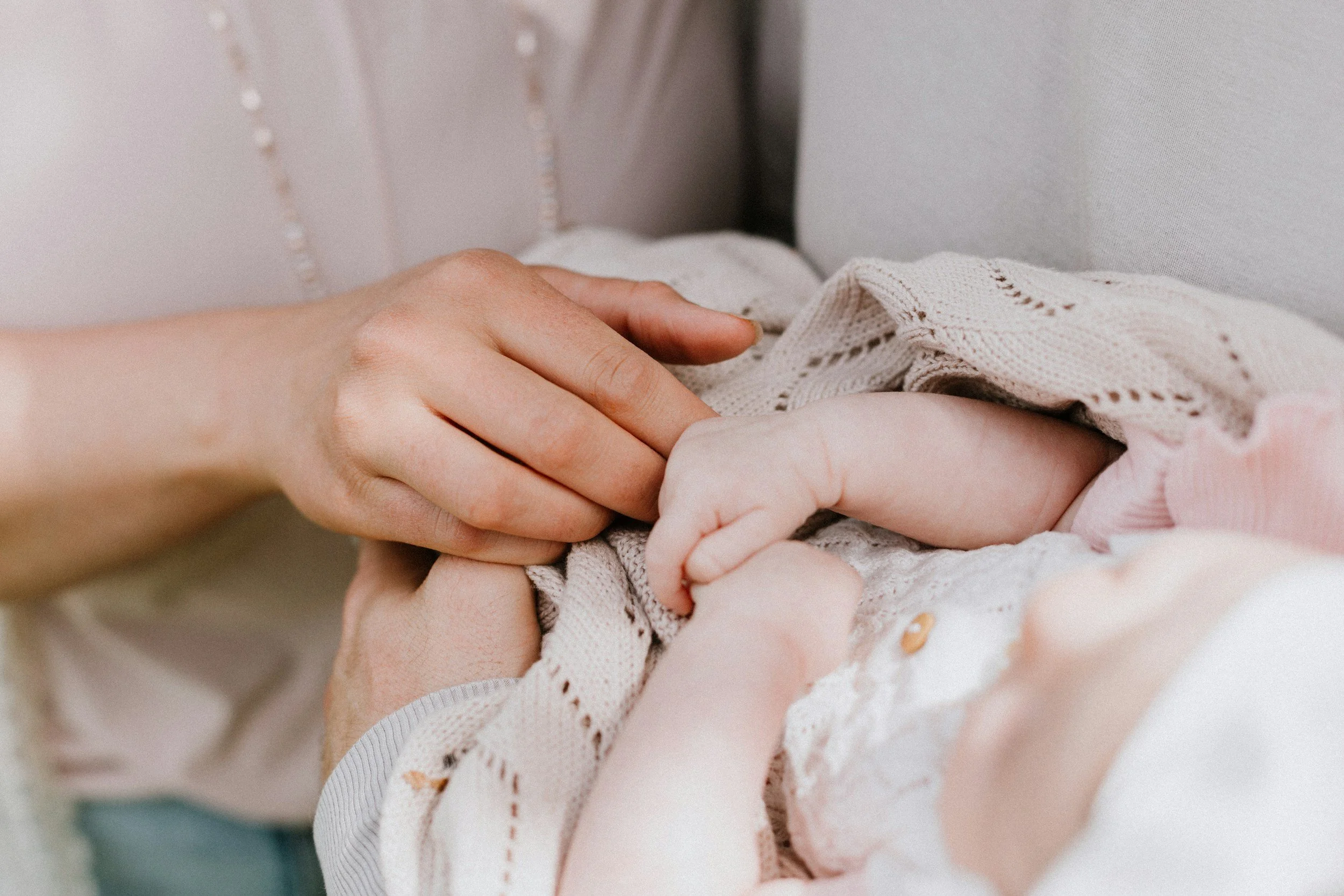



Wondering where the support is?
Because we know that postpartum isn’t just about diapers and feeding schedules.
For many women, it’s also about pelvic pain, discomfort during intimacy, leaking when you sneeze or run, or feeling like their body has betrayed them. We’ve sat with women navigating conditions like dyspareunia, vulvodynia, and chronic pelvic tension — not just treating their physical symptoms, but creating a space where they feel heard, safe, and supported.
And we want to do that for you.